Mighty Winter: Evaluating a Friendly Sans-Serif Font for Creative Projects
In the vast landscape of digital typography, selecting the right font is a foundational decision for any visual project. The typeface you choose does more than display words; it communicates tone, personality, and intent. For creators working on projects that require a warm, approachable, and modern aesthetic, the search often leads to the category of friendly sans-serif fonts. One such option that has gained traction in creative circles is Mighty Winter. This article provides a balanced evaluation of this typeface, helping you determine if its characteristics align with your specific design goals and practical needs.
Understanding the Core Characteristics of Mighty Winter
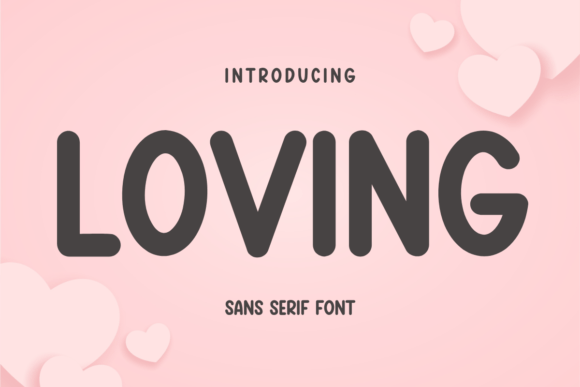
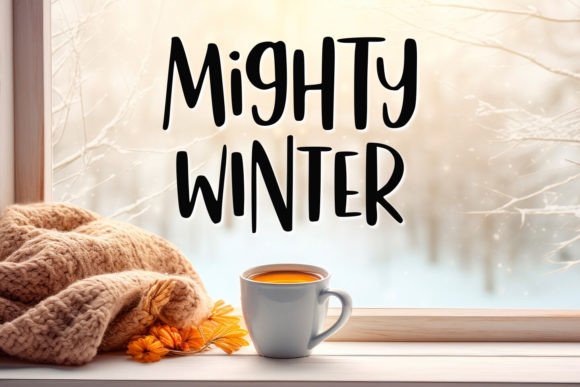
At its heart, Mighty Winter is a cute and friendly sans-serif font. This classification immediately sets it apart from more formal, geometric, or traditional sans-serifs like Helvetica or Arial. Its design philosophy leans towards approachability and softness. Key visual traits typically include rounded terminals on letters, gentle curves, and a slightly playful, often whimsical, overall shape. This design language is crafted to evoke feelings of warmth, comfort, and casual friendliness. It avoids sharp edges and stark geometry, making it feel less corporate and more personal. For designers and crafters, understanding this fundamental character is the first step in evaluating its suitability for a given task. It is not a font designed for dense body text in a novel, but rather for impactful, display-oriented applications where its personality can shine.
Scenarios Where Mighty Winter Proves a Strong Fit
The utility of a font like Mighty Winter is most evident in specific creative contexts. Its friendly demeanor makes it an excellent choice for projects aimed at evoking positivity, nostalgia, or a lighthearted spirit. If your project's goal is to feel inviting and cheerful, this typeface is worth serious consideration.
One of its primary applications is in quote designs and inspirational typography. The soft, rounded letterforms complement uplifting messages, making the text feel more heartfelt and less authoritative. Similarly, for logo design targeting businesses or brands that want to project a welcoming image—such as a children's boutique, a cozy café, a craft studio, or a community-focused blog—Mighty Winter can serve as an effective wordmark or a component of a broader logo system. Its legibility at medium to large sizes ensures the brand name remains clear while conveying the desired friendly tone.
The font also excels in the realm of physical and digital product design. For t-shirt and tote bag designs, especially those with humorous, motivational, or seasonal themes, its casual style resonates well. It integrates seamlessly into craft projects, from personalized cards and invitations to scrapbooking elements and party decorations. In the digital sphere, it is highly effective for social media graphics, particularly on platforms like Instagram and Pinterest where visual personality is key. It can be used for post headers, quote overlays, and promotional banners to create a cohesive and engaging visual identity that stands out in a crowded feed.
Key Considerations and Potential Tradeoffs
While the strengths of Mighty Winter are clear in the right context, a thorough evaluation requires acknowledging its limitations and the tradeoffs involved in choosing it. No single font is a universal solution, and understanding where it may not perform optimally is crucial for making an informed decision.
The most significant consideration is contextual appropriateness. The very characteristics that make it "cute and friendly" can become a liability in projects that demand seriousness, luxury, or high professionalism. Using Mighty Winter for a corporate financial report, a law firm's website, or a high-end technology brand's primary marketing materials would likely undermine the intended message of stability and prestige. Its personality is strong, and if misaligned with the project's core message, it can create visual dissonance.
Another important factor is readability in long-form text. Sans-serifs are generally preferred for on-screen readability, but the distinct, decorative style of Mighty Winter—with its unique letter shapes—can cause eye strain when used for extensive paragraphs or small body copy. Its design prioritizes character over neutrality, which is ideal for headlines but less so for sustained reading. Designers must therefore use it judiciously, typically reserving it for short phrases, titles, and call-outs.
Finally, consider the breadth of its typeface family. Many professional fonts come with multiple weights (Light, Regular, Bold, Black) and styles (Italic, Condensed). The availability of these variants with Mighty Winter can vary. A limited family may restrict your typographic hierarchy within a single project, forcing you to seek out a complementary font for subheadings or secondary text, which adds another layer to the design process.
Practical Decision-Making: Aligning the Font with Your Goals
To determine if Mighty Winter is the right choice, move beyond general appreciation and conduct a practical assessment against your project's specific requirements. Ask yourself a series of targeted questions.
First, define your project's primary emotion and audience. Is the goal to be playful, nostalgic, cheerful, or approachable? Is your audience families, children, hobbyists, or a general consumer market seeking comfort? If the answers are yes, Mighty Winter aligns well. If the goal is to be sleek, authoritative, minimalist, or formal, you should explore other options.
Second, audit your use case for text length and hierarchy. Will the font be used primarily for a logo, a headline, a short quote, or a button? If it's for display purposes, its strengths are ideal. If you need it to function as part of a complex typographic system with body text, subheads, and captions, you will need to pair it carefully with a highly legible, neutral sans-serif or serif font for the longer copy.
Third, test it within your actual design mockups. Don't just look at the font in isolation on a specimen sheet. Place it into your logo concept, your social media template, or your product design. Evaluate how it interacts with your color palette, imagery, and layout. Does it enhance the overall composition, or does it feel out of place? This hands-on test is the most reliable way to gauge its effectiveness.
Exploring Alternatives When Necessary
If, after evaluation, you find that Mighty Winter's style is too specific or its limitations are a concern for your project, the typography world offers many alternatives. For a similarly friendly but slightly more versatile sans-serif, you might explore families like Nunito or Poppins, which offer rounded terminals but with a wider range of weights and a more neutral personality suitable for both headlines and some body text. For projects that need a handwritten, casual feel without being overly cute, brush script or hand-lettered fonts could be a better direction. If your project requires a clean, modern, and highly professional look, geometric sans-serifs like Montserrat or Open Sans provide excellent legibility and a neutral tone. The key is to match the font's inherent voice to the voice of your project.
In conclusion, Mighty Winter is a specialized tool in a designer's toolkit. It is not a workhorse font for every situation, but when deployed correctly—in the realms of friendly branding, cheerful crafts, engaging social media, and heartfelt quotes—it can be exceptionally effective. Its value lies in its ability to instantly communicate a specific, positive emotional tone. By carefully evaluating your project's goals, audience, and practical constraints, you can make a confident decision about whether this cute and friendly sans-serif is the right choice to bring your creative vision to life.