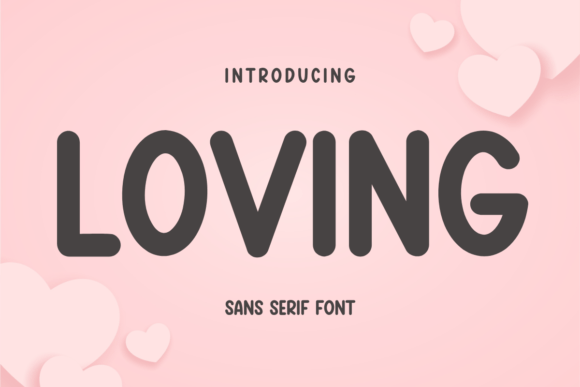
Loving: The Sans-Serif Font That Brings Warmth and Clarity to Modern Design
In the vast landscape of digital typography, finding a font that strikes the perfect balance between professional utility and emotional warmth can be a significant challenge. Designers and content creators often face the dilemma of choosing between sterile, corporate typefaces that lack personality, or overly decorative scripts that sacrifice readability. Enter Loving, a sans-serif typeface designed to bridge this gap. Described as "cute and neat," Loving offers a clean, approachable aesthetic that is versatile enough for a wide array of applications, from intricate digital planners to bold social media graphics. This article explores the characteristics of this font, the challenges it solves, and how you can effectively implement it to elevate your creative projects.
Understanding the Aesthetic: What Makes Loving Unique?
At its core, Loving is a sans-serif font, meaning it lacks the small projecting features called "serifs" at the end of strokes. However, unlike many geometric sans-serifs that can feel cold or industrial, Loving introduces soft curves and rounded terminals. This design choice creates a visual tone that is inviting and gentle. The "neat" aspect of the font refers to its consistent spacing and legibility; it does not sacrifice structure for the sake of style. Consequently, Loving manages to feel friendly without appearing childish, making it an ideal candidate for designs that require a human touch.
The visual weight of Loving is typically balanced to ensure it remains readable on various screen sizes. In an era where content is consumed on everything from large desktop monitors to small smartphone screens, the clarity of a font is paramount. Loving addresses this by maintaining clean lines that do not blur or crowd together when scaled down, a common issue with more intricate font families.
Addressing Design Challenges: Solving the "Cold Corporate" Look
One of the primary challenges faced by small business owners, bloggers, and digital marketers is establishing a brand voice that feels authentic and relatable. Many standard system fonts, such as Arial or Helvetica, are functional but often fail to convey a specific mood. When a brand wants to appear helpful, supportive, or creative, standard sans-serifs can feel too rigid.
Loving helps address this situation by providing a typographic solution that inherently suggests positivity. For instance, a wellness coach creating a digital workbook needs a font that calms the reader and encourages engagement. Using a harsh, angular font might subconsciously create tension. In contrast, the rounded nature of Loving aligns with the psychological perception of safety and comfort. By integrating Loving into their designs, users can instantly soften the overall look of their materials, making their content more accessible to their target audience.
The Goal of Approachability
Whether you are designing a birthday invitation or a business presentation, the goal is often the same: to communicate a message without alienating the receiver. Loving supports this goal by acting as a neutral yet friendly vessel for your words. It allows the content to take center stage while the typography subtly enhances the emotional undertone of the message.
Practical Applications and Use Cases
The versatility of Loving is one of its strongest assets. Because it is categorized as "cute and neat," it fits seamlessly into a variety of creative contexts. Below are practical ways different users can apply this font to their work.
1. Digital Planners and Organization
The market for digital planning has exploded in recent years, with users relying on tablets and styluses to organize their lives. For digital planner creators, typography is critical. The font must be legible enough for small date boxes but stylish enough to make the planning experience enjoyable.
Loving is perfect for this environment. Its neat structure ensures that to-do lists and schedules remain organized, while its "cute" factor adds a decorative element without the need for excessive graphics. Using Loving for headers in a planner can distinguish sections clearly, while using a lighter weight for body text ensures the schedule is easy to read at a glance.
2. Social Media and Branding
On platforms like Instagram or Pinterest, visual appeal drives engagement. Text overlays on images need to be legible within seconds. Loving excels here because it is clean enough to be read quickly but distinct enough to stop a user from scrolling. It is particularly effective for quotes, announcements, and story highlights. A social media manager might use Loving to create a cohesive aesthetic across posts, reinforcing brand recognition through consistent, warm typography.
3. Card Designs and Crafts
For crafters and stationery designers, Loving offers a handmade feel with the precision of digital text. It is an excellent choice for greeting cards, wedding invitations, and scrapbooking elements. The font complements watercolor textures and pastel color palettes exceptionally well. When creating a "Happy Birthday" card, for example, Loving conveys the sentiment of the occasion more effectively than a standard blocky font.
4. Presentations and Professional Materials
While it is important to maintain professionalism in business presentations, a touch of humanity can make a pitch more memorable. Loving can be used in slide decks to soften the delivery of information, particularly in industries related to healthcare, education, or creative services. It signals to the audience that the presenter values clarity and communication, rather than just data.
Implementation Strategies: Getting the Most Out of Loving
To effectively implement Loving, it is helpful to consider the context of your design. Here are some recommendations for maximizing the impact of this font.
Pairing with Other Fonts
While Loving is versatile, pairing it with a complementary font can create visual hierarchy and interest. Since Loving is a sans-serif with soft edges, it pairs well with a clean serif font for body text, or a handwritten script for accent words. For example, you might use Loving for your main headings to draw attention, and a standard serif like Georgia for long-form paragraphs to ensure comfortable reading.
Color and Spacing Considerations
The "neat" quality of Loving means it benefits from adequate white space. Avoid cramming text written in Loving into tight boxes. Allow the letters to breathe. Additionally, because the font has a friendly vibe, it tends to look best in warm or neutral color palettes. Deep blacks can sometimes appear too harsh; consider using dark charcoal or navy blue to maintain the soft aesthetic of the font.
Different Approaches for Different Users
It is worth noting that how you use Loving should depend on your specific audience.
- For Educators: Use Loving in worksheets and classroom decorations to create a welcoming learning environment. The legibility helps students focus on the content rather than deciphering the script.
- For E-commerce: Use Loving in product descriptions and sale banners to make the shopping experience feel personal and less transactional.
- For Personal Projects: Use Loving in family newsletters or photo albums to add a cohesive, professional touch to memories.
The Outcome: Professionalism with Personality
The ultimate goal of using a font like Loving is to achieve a design that feels polished yet personal. In a digital world often dominated by automation and stark minimalism, a typeface that offers warmth can be a differentiator. By choosing Loving, you are not just selecting a way to display text; you are choosing a tone of voice for your project.
Whether you are finalizing a client presentation, setting up a new digital planner, or designing a flyer for a community event, Loving provides the tools to communicate effectively. It proves that you do not have to choose between looking professional and looking friendly. With its clean lines and approachable curves, Loving is a valuable addition to any designer's toolkit, capable of transforming standard text into an engaging visual experience.