Typehunter: A Practical Look at the Vintage Typewriter Font for Designers
In a design landscape often dominated by sleek, digital interfaces, the tactile, imperfect warmth of analog tools holds a unique appeal. For creatives seeking to inject a dose of authenticity into their work, typography is a primary lever. This is where Typehunter enters the conversation. It is not merely a typeface; it is a meticulously crafted typewriter font designed to replicate the distinct character of mechanically inked text. This article provides a grounded evaluation of its features, practical applications, and overall value for the modern designer.
Understanding the Core of Typehunter
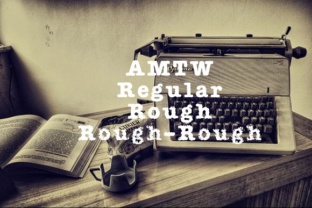
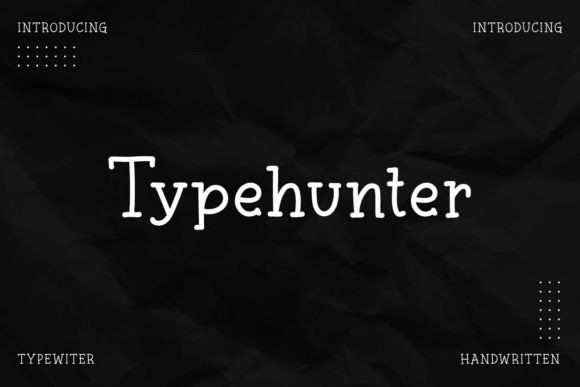
At its foundation, Typehunter is a monospaced font. This means every character, from the widest 'M' to the narrowest 'i', occupies the exact same horizontal width. This characteristic is fundamental to the typewriter aesthetic and immediately sets it apart from proportional fonts used in standard body text. However, the defining trait of Typehunter lies in its deliberate imperfections. The edges of its letters are intentionally uneven, mimicking the variable pressure and ink distribution of a manual typewriter's keystroke. This subtle irregularity is what imbues the font with a sense of history and human touch, moving it beyond a sterile digital reproduction.
Key Characteristics and Design Strengths
Evaluating a font like Typehunter requires looking beyond its surface charm. Its practical value is rooted in several specific design choices.
- Authentic Imperfection: The most significant strength is its nuanced execution of typewriter flaws. The slight wobble in baselines, the uneven ink spread on characters like 'o' and 'e', and the occasional heavy strike are all present. This avoids the overly clean look that can make other typewriter fonts feel generic or computer-generated.
- Character Set and Consistency: A reliable typewriter font must offer a comprehensive character set. Typehunter typically includes a full range of uppercase and lowercase letters, numerals, punctuation, and often a selection of symbols. Crucially, it maintains a consistent level of imperfection across all glyphs, ensuring a cohesive look in longer passages of text.
- Spacing and Kerning: Proper spacing is critical for readability. While monospaced fonts inherently have a uniform rhythm, thoughtful kerning adjustments between specific pairs (like 'A' and 'V') can prevent awkward gaps. The best implementations of Typehunter pay attention to this detail, balancing authentic spacing with legibility.
Practical Applications and Real-World Use
The utility of Typehunter is best understood through its application in real projects. It excels in contexts where nostalgia, authenticity, or a raw, personal touch is desired.
Branding and Packaging
For brands positioning themselves as artisanal, craft-focused, or heritage-inspired, Typehunter can be a powerful asset. It works exceptionally well for logotypes, taglines, and packaging text on products like coffee, craft beer, vinyl records, or stationery. The font communicates a story of manual creation and care, aligning the visual identity with the brand's core values.
Editorial and Publication Design
In the realm of blogs, magazines, and book design, Typehunter is highly effective for pull quotes, chapter titles, and subheadings. It provides a strong visual contrast to clean body text, drawing the reader's eye and establishing a distinct tone. For publications focused on history, writing, or DIY culture, it can be a thematic cornerstone.
Digital Media and Marketing
While primarily a display font, Typehunter finds its place in digital marketing. It is ideal for creating compelling social media graphics, email newsletter headers, or website hero sections that need to convey a specific mood. It can also be used sparingly in user interfaces for labels or buttons in applications designed for writers or creatives, reinforcing a thematic aesthetic.
Who Benefits Most from Using Typehunter?
This font is not a universal solution. Its value is highly context-dependent. The professionals who will find the most utility in Typehunter include:
- Brand Designers and Art Directors: Those crafting identities for niche markets where a retro or handmade aesthetic is a strategic advantage.
- Editorial Designers and Bloggers: Creatives who need to break visual monotony and add personality to headings and callouts within long-form content.
- Freelance Creatives and Illustrators: Individuals looking to add a unique, signature element to their personal portfolio, invoices, or client presentations.
- Marketing Professionals: Those developing campaign materials for products or services that have a story rooted in tradition, craftsmanship, or nostalgia.
Considerations and Potential Limitations
A balanced assessment must acknowledge constraints. The very qualities that make Typehunter charming can become liabilities if misapplied.
- Readability at Small Sizes: The intricate details and uneven edges that define its character can blur or become distracting when used at very small point sizes, particularly on low-resolution screens. It is best suited for medium to large display use.
- Overuse and Thematic Mismatch: Employing Typehunter for all text in a project is inadvisable. Its strong personality can overwhelm a design and quickly feel clichéd. It requires careful pairing with more neutral, readable fonts for body copy. Furthermore, using it for a modern fintech app or a cutting-edge tech startup would create a jarring thematic disconnect.
- File Format and Web Performance: For web use, it's essential to use optimized web font formats (WOFF2) to minimize load times. While a single font file for Typehunter is generally lightweight, always test its impact on page speed.
Conclusion: A Valued Tool in the Typographic Toolkit
Typehunter is not a novelty font. It is a serious tool for designers who understand the power of typographic nuance. Its strength lies in its authentic execution of the typewriter aesthetic, offering a reliable way to evoke specific emotions and associations. When used with intention—as a headline font, for thematic accents, or in branding elements—it demonstrates significant practical value. It provides a tangible connection to the past that can make contemporary designs feel more grounded and human. For the designer whose project calls for a touch of nostalgic authenticity, Typehunter is a font that delivers on its promise, provided it is wielded with the same care as the vintage machines it emulates.