Rediscovering Authenticity: A Guide to the AMTW Typewriter Font Family
In an era dominated by the flawless precision of vector graphics and the sterile uniformity of modern sans-serif typefaces, there is a growing movement in design that seeks to reclaim the tactile imperfections of the past. For graphic designers, content creators, and branding specialists, the challenge often lies in distinguishing a project from the sea of digital perfection. When a project calls for warmth, history, or a distinct human touch, standard system fonts often fall short. This is where the AMTW font family enters the conversation, offering a bridge between digital convenience and the nostalgic charm of the analog age.
Understanding the Essence of AMTW
At its core, AMTW is more than just a set of characters; it is a typographic homage to the golden age of American typewriters. It is designed to replicate the specific mechanical nuances and ink distribution found on documents produced by mid-20th-century office machines. Unlike generic "typewriter" fonts that often look too clean or computerized, AMTW focuses on the authentic texture of ink striking paper. It captures the slight misalignments, the varying ink density, and the unique character shapes that defined an era of correspondence and bureaucracy.
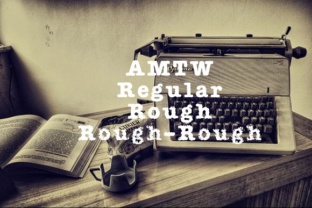
The font family is not a monolithic entity but rather a versatile toolkit. To address different creative needs and levels of "distress," AMTW is available in three distinct variations: AMTW Regular, AMTW Rough, and AMTW Rough Rough. Each version serves a specific purpose, allowing designers to dial in the exact amount of vintage grit required for their specific application.
Navigating the Three Variations
The utility of the AMTW family lies in its flexibility. Understanding the differences between the three versions is essential for effective implementation.
AMTW Regular represents the cleanest iteration of the typeface. It features the structural design of the vintage typewriter but with a consistent ink flow. This version is ideal for body text or situations where legibility is paramount, but the designer still wants to evoke a sense of the past without overwhelming the reader with visual noise. It mimics a fresh ribbon on a well-maintained machine.
As we move to AMTW Rough, the texture becomes more pronounced. This version introduces subtle imperfections to the edges of the letters and slight variations in opacity. It suggests a document that has been handled or a ribbon that is beginning to dry out. AMTW Rough is excellent for headlines, sub-headers, or creative projects where the "vintage" aesthetic needs to be immediately apparent but still refined.
Finally, AMTW Rough Rough offers the most distressed look. This version simulates heavy wear, inconsistent ink coverage, and the physical degradation of old paper records. It is designed for high-impact artistic work, such as movie posters, album covers, or grunge-style layouts. When a designer wants to convey a sense of age, decay, or raw authenticity, AMTW Rough Rough provides that texture out of the box, saving hours of manual distressing in image editing software.
Practical Applications and Use Cases
The applications for AMTW extend far beyond simple nostalgia. In the world of user interface (UI) design, for example, typewriter fonts are frequently used in coding environments or "hacker" aesthetics to suggest technical proficiency and a raw connection to the machine. Using AMTW Regular in these contexts can provide a retro-computing vibe that feels both professional and stylistically distinct.
In the realm of branding, AMTW serves as a powerful tool for storytelling. A boutique coffee shop, a craft brewery, or an independent bookshop might utilize AMTW to establish an identity that feels handmade and artisanal. The font suggests that the business values tradition and craftsmanship over mass production. By selecting AMTW Rough for packaging or signage, these businesses can communicate a sense of history and durability.
Furthermore, the font family is incredibly effective for editorial design. Writers and bloggers focusing on historical fiction, true crime, or personal memoirs can use AMTW to format excerpts, pull quotes, or chapter headings. The visual language of the typewriter immediately sets the tone for the content, subconsciously signaling to the reader that they are about to engage with a narrative that is grounded, serious, or deeply personal.
Implementation Strategies
When integrating AMTW into a project, it is important to consider the contrast between the text and the background. Because typewriter fonts are monospaced and textured, they can sometimes become difficult to read at small sizes, particularly the AMTW Rough Rough variation. Therefore, a best practice is to use the rougher versions for display sizes (large headlines) and stick to AMTW Regular for smaller text or long-form reading.
Color contrast also plays a vital role. To maximize the impact of the AMTW texture, avoid placing the text on busy, high-contrast backgrounds. A clean background—whether it is a solid color or a subtle paper texture—will allow the intricate details of the AMTW glyphs to shine through. Pairing AMTW with a clean sans-serif font can create a beautiful typographic hierarchy, where the headers provide the vintage flair and the body text ensures modern readability.
The Emotional Impact of Typography
Ultimately, the choice to use AMTW is an emotional one. Typography is the voice of the written word, and AMTW speaks with a voice that is familiar, authoritative, and deeply human. In a digital landscape that can often feel cold and impersonal, the slight imperfections of AMTW remind the viewer that there is a human hand behind the design.
Whether you are designing a wedding invitation to evoke timeless elegance, creating a poster for a film noir festival, or simply looking to add character to a personal blog, the AMTW font family offers a robust solution. It bridges the gap between the past and the present, allowing creators to harness the aesthetic of the American typewriter with the ease of modern digital tools. By choosing AMTW, you are not just selecting a font; you are curating an experience and paying tribute to a pivotal era in communication history.