Kimberli: A Practical Review of the Handwritten Script Font
In the crowded marketplace of digital typefaces, the search for a script font that balances elegance with practicality is a common challenge for designers and creators. Many options lean too heavily into formal calligraphy, which can feel stiff, or too far into casual scrawl, which may lack polish. Kimberli positions itself in a thoughtful middle ground. It is an enchanting handwritten font designed to inject a romantic, personal feel into projects without sacrificing versatility or professional application. This review will analyze its core characteristics, real-world performance, and the specific contexts where it truly excels.
Core Characteristics and Design Philosophy
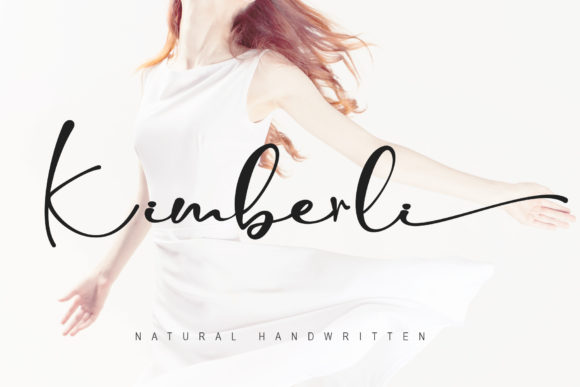
At its heart, Kimberli is a versatile script font. Its design philosophy centers on replicating the fluid, organic strokes of natural handwriting while maintaining a consistent baseline and readable letterforms. Unlike rigid, geometric typefaces, its charm lies in its subtle imperfections and the rhythmic flow between characters. The font family typically includes a primary script style, which forms the backbone of its application. This core style is characterized by its moderate x-height, gentle slant, and connections that mimic the way a pen naturally moves across paper. The result is a typeface that feels personal and approachable, yet structured enough for clear communication. Its purpose is not to dominate a layout with ornate flourishes, but to serve as a complementary element that adds warmth and a human touch.
Practical Strengths in Real-World Application
The true test of any font is its performance under practical constraints. Kimberli demonstrates several key strengths in this regard. Its legibility at common sizes for headlines and subheadings is a notable advantage. While it is not intended for body text, it remains clear and decipherable when used for titles, pull quotes, or short phrases. This makes it a reliable choice for projects where readability is non-negotiable, such as on-screen presentations or printed marketing collateral.
Another significant strength is its usability. The font is PUA (Private Use Areas) encoded, which is a critical technical feature for many users. This encoding means that all of the font's beautiful glyphs, swashes, and alternate characters are easily accessible through standard software applications. For a designer, this translates to direct workflow efficiency. Instead of relying on complex OpenType feature panels or specialized software, you can access stylistic alternates and decorative elements through a simple character map or glyph panel. This lowers the barrier to entry and makes advanced typographic customization accessible to a broader range of users, from seasoned professionals to small business owners managing their own branding.
Flexibility and Project Versatility
The "wide spectrum of applications" mentioned in its description is not an exaggeration. Kimberli's flexibility is one of its most compelling attributes. Its romantic, elegant feel makes it a natural fit for the wedding and event industry. Think of save-the-date cards, invitation suites, menu designs, and ceremony programs. In these contexts, the font communicates sophistication and personal sentiment effectively.
Beyond events, its versatility shines in digital and commercial spaces. For bloggers and content creators, it can elevate a website's hero section, style social media graphics, or brand a podcast. For entrepreneurs and small business owners, it can add a signature touch to logos, product packaging, or thank-you notes. Educators might find it useful for creating engaging certificates or workshop materials. The key is to match its inherent tone—romantic, personal, and slightly formal—with the project's message. It performs less effectively in contexts demanding stark modernism or utilitarian clarity, such as technical documentation or minimalist tech branding, where its personality might clash with the intended aesthetic.
Quality, Consistency, and Long-Term Value
Evaluating a font's long-term value involves looking beyond initial appeal to its technical construction. Kimberli generally presents a consistent quality in its letterforms. The weight of the strokes is even, and the connections between letters are handled smoothly, avoiding the jarring breaks that can plague lesser script fonts. This consistency is crucial for maintaining a professional appearance across large blocks of headline text.
Its reliability is further supported by the PUA encoding, which ensures the extra glyphs will function predictably across different operating systems and design software. From a presentation standpoint, the font renders cleanly on both screen and print, a fundamental requirement for any asset intended for multi-platform use. When considering cost versus value, a font like Kimberli offers solid long-term value for creators who frequently work on projects that benefit from a handwritten aesthetic. It becomes a dependable tool in the creative arsenal, ready to be deployed for the right job without requiring extensive troubleshooting or workarounds.
Identifying the Ideal User
Who stands to benefit most from incorporating Kimberli into their toolkit? The answer lies in aligning the font's strengths with specific professional needs and project goals.
- Freelance Designers and Creatives: For those serving clients in the lifestyle, boutique, or events sectors, Kimberli is a valuable addition. Its ready-to-use swashes and alternates can speed up the design process for logos and branding materials, allowing for quick customization that impresses clients.
- Small Business Owners and Entrepreneurs: Individuals building a brand around craftsmanship, personal service, or artisanal products can use this font to reinforce their brand story. It helps create a cohesive visual identity that feels handmade and authentic.
- Bloggers, Publishers, and Content Marketers: For those in niches like wedding planning, fashion, home décor, or personal development, Kimberli can enhance visual content. It's particularly effective for creating pinable graphics, email headers, or eBook covers that need to convey warmth and approachability.
- Educators and Community Organizers: When creating materials meant to be welcoming and personal—such as certificates of achievement, workshop flyers, or community event invitations—this font can set the right tone without appearing overly casual.
Practical Recommendations and Considerations
To use Kimberli effectively, a few practical recommendations are worth noting. First, pair it wisely. It works best when contrasted with a clean, simple sans-serif or serif font for body text. This creates a visual hierarchy that is both beautiful and functional. For example, pairing Kimberli with a font like Lato or Montserrat for supporting text can create a balanced and professional layout.
Second, leverage the glyphs. The PUA-encoded swashes and alternates are what elevate this font from good to exceptional. Experiment with alternate initial and terminal letters to create unique wordmarks. Use swashes to underline or accent key phrases, but do so with restraint to avoid visual clutter. A single, well-placed flourish is more effective than multiple competing ones.
Finally, consider the context. Always ask if the romantic, handwritten aesthetic aligns with the project's core message and audience. For a tech startup's annual report, it would likely be mismatched. For a florist's catalog or a wellness coach's Instagram story, it could be perfect. Understanding this fit is the final step in determining whether Kimberli is the right tool for the job, ensuring it adds genuine value rather than just decorative noise.
In conclusion, Kimberli stands out as a well-crafted and practical script font. Its strength lies not in being the most ornate or the most minimalist, but in being reliably versatile and user-friendly. For professionals and creators whose work benefits from a touch of human elegance, it is a resource worth serious consideration. By understanding its characteristics and applying it thoughtfully, you can harness its potential to enhance communication and connect with your audience on a more personal level.