Grublack: Evaluating a Vintage Blackletter Typeface for Modern Projects
In the current design landscape, where digital minimalism often dominates, there is a persistent and growing counter-movement seeking authenticity, texture, and historical resonance. This has led to a renewed interest in blackletter typography, a style once confined to historical documents and niche applications. Grublack, a vintage blackletter typeface, enters this space with a clear proposition: to offer the intricate grandeur of traditional Gothic scripts in a usable, contemporary package. But does it move beyond mere aesthetic novelty to become a practical tool for today's designers, creators, and business owners? This article provides a straightforward evaluation.
What Defines the Grublack Typeface?
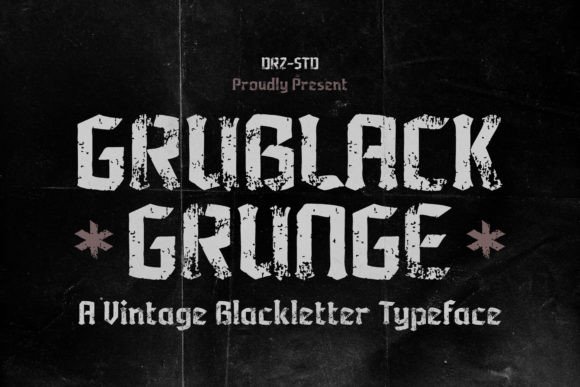
Grublack is not a direct digitization of a single historical manuscript. Instead, it is a thoughtful interpretation that synthesizes the core elements of blackletter—or Gothic—calligraphy. Its design is characterized by high contrast between thick and thin strokes, angular and geometric letterforms, and ornate, pointed terminals. The "vintage" aspect is evident in its subtle imperfections and texture, which simulate the look of ink pressed onto handmade paper, avoiding the sterile, overly perfect lines of a purely digital font.
The typeface is designed primarily for display use. Its intricate details are optimized for larger sizes, where the complexity of each character can be appreciated without compromising legibility. At small sizes, as with most blackletter fonts, it can become difficult to read, which immediately informs its practical application. Grublack is a tool for impact, not for body text.
Practical Strengths and Design Characteristics
When evaluating a typeface like Grublack, its value lies in specific, measurable attributes that translate to real-world use.
- Authenticity and Detail: The character set demonstrates careful craftsmanship. Ligatures, alternates, and extended language support are crucial for a font of this style, and their presence (or absence) significantly affects its utility. Grublack includes a range of stylistic alternates, allowing designers to customize the look of headlines and logos, adding a layer of bespoke quality to projects.
- Usability in Digital Environments: A common pitfall of ornate fonts is poor performance on screen. Grublack has been engineered with screen rendering in mind. The vector outlines are clean, and the design maintains its integrity across various digital formats, from website headers to social media graphics. This reliability is a key strength for digital-first projects.
- Contextual Versatility: While inherently historical, Grublack's specific vintage treatment avoids being tied to a single era. It can evoke medieval manuscripts, 19th-century signage, or even a refined Gothic elegance suitable for luxury branding. This flexibility allows it to serve different narrative goals, from rustic and artisanal to opulent and ceremonial.
Ideal Applications and Audience Fit
The practical value of Grublack is highest for professionals and creators who need to convey a specific set of messages: tradition, craftsmanship, authority, rebellion, or exclusive heritage. Its effectiveness is directly tied to the project's audience and context.
For Branding and Logo Design
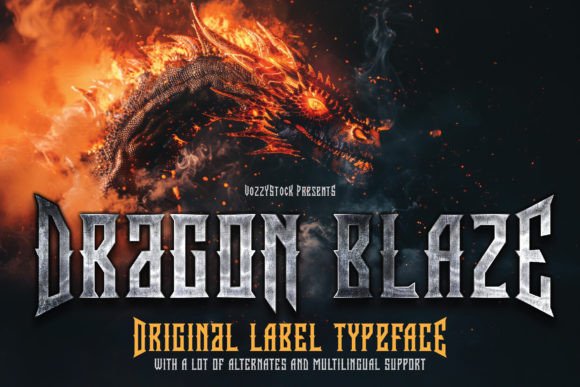
A logo set in Grublack makes an immediate and strong statement. It is particularly effective for brands in sectors like craft brewing, distilleries, bespoke tailoring, heritage goods, heavy metal music, tattoo studios, or high-end chocolatiers. The typeface acts as a visual shorthand for quality, tradition, and a certain rebellious or artisanal spirit. However, it is critical to ensure the brand's entire visual identity and messaging align with this strong typographic voice.
For Editorial and Publication Design
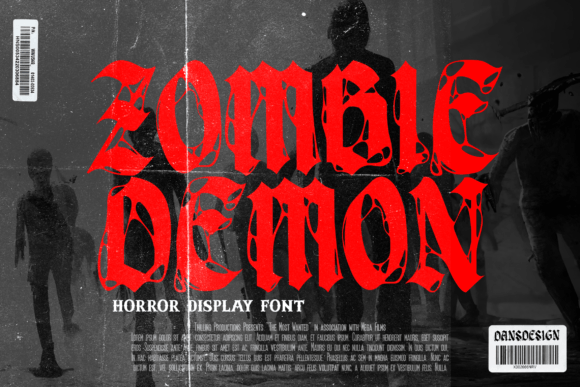
In print and digital publishing, Grublack excels at creating dramatic chapter headings, drop caps, and title pages. For book covers in genres like historical fiction, fantasy, or horror, it provides an instant genre cue. For magazines or blogs focusing on history, vintage culture, or niche crafts, it can establish a powerful thematic tone. Its use should be strategic and limited to avoid overwhelming the reader.
For Signage and Environmental Graphics
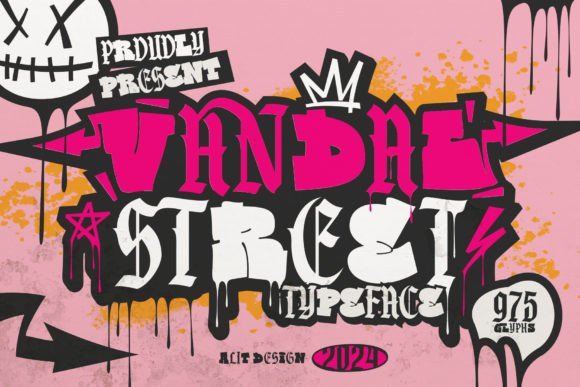
The font's strong silhouette ensures it remains legible and impactful from a distance, making it a candidate for event posters, festival branding, or interior signage in themed establishments like pubs, barbershops, or restaurants. The vintage texture adds warmth and character that a clean, modern sans-serif cannot provide.
Considerations and Potential Limitations
No typeface is universal, and Grublack is no exception. Acknowledging its limitations is part of a professional evaluation.
- Legibility at Small Sizes: As noted, it is unsuitable for extended reading text. Its role is firmly in the domain of headlines and display typography. Pairing it with a highly legible serif or sans-serif font for body copy is not just a recommendation but a necessity.
- Cultural and Contextual Sensitivity: Blackletter typography carries complex historical connotations in different regions. In some contexts, it is purely associated with historical documents or certain music subcultures; in others, it may evoke darker historical periods. A designer must be mindful of their target audience's cultural framework to ensure the font's message is received as intended.
- Project Alignment: The strong personality of Grublack can clash with modern, minimalist, or corporate design paradigms. Forcing it into a context where it does not belong can result in a disjointed and ineffective design. Its use must be intentional and justified by the project's goals.
Final Assessment: A Specialized Tool with Clear Value
Grublack is not a font for every project. It is a specialized instrument within a designer's toolkit. Its value is realized when a project demands a specific historical, artisanal, or authoritative aesthetic that aligns with the cultural weight of blackletter forms.
For the right audience—designers, marketers, and business owners operating in relevant industries—it offers a reliable and visually compelling solution. Its strengths in detail, screen performance, and stylistic flexibility make it a more practical choice than many overly stylized or poorly executed alternatives. The key to its successful implementation lies in restraint, contextual awareness, and thoughtful pairing with complementary typefaces.
Ultimately, Grublack represents a mature approach to vintage typography. It respects its historical roots while providing the technical reliability and creative options needed for contemporary design work. When its strengths are matched with an appropriate project, it can add a layer of depth and character that significantly elevates the final presentation.