Cool Kids Font: A Practical Guide for Child-Friendly Design Projects
Understanding the Core Appeal of Cool Kids
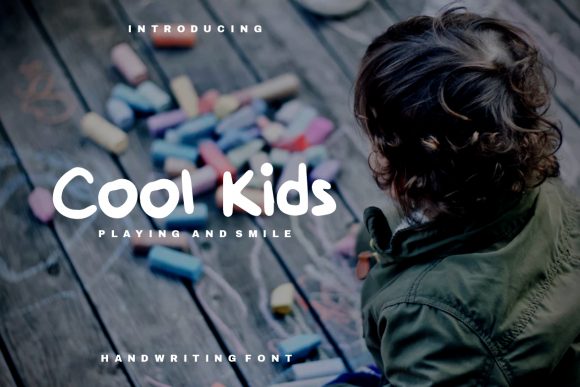
When selecting typography for projects aimed at younger audiences, the emotional resonance of the typeface is just as critical as its legibility. Cool Kids is a display font that has carved out a specific niche by balancing two often competing traits: playfulness and authenticity. It is not merely a set of rounded letters; it is designed to evoke the natural, slightly imperfect handwriting style often associated with childhood creativity. For designers, educators, and parents evaluating resources for school projects or activity materials, understanding the specific personality of this font is the first step in determining if it fits the project's goals.
Unlike highly structured sans-serif fonts that might feel clinical or overly rigid for children's media, Cool Kids offers a friendly, approachable aesthetic. It mimics the organic flow of a child's writing but retains enough structure to be highly legible in headlines, titles, and short blocks of text. This distinction is vital: many "childish" fonts sacrifice readability for style, but Cool Kids maintains a balance that makes it functional for educational materials where clarity cannot be compromised.
Distinguishing Cool Kids from Similar Typography Styles
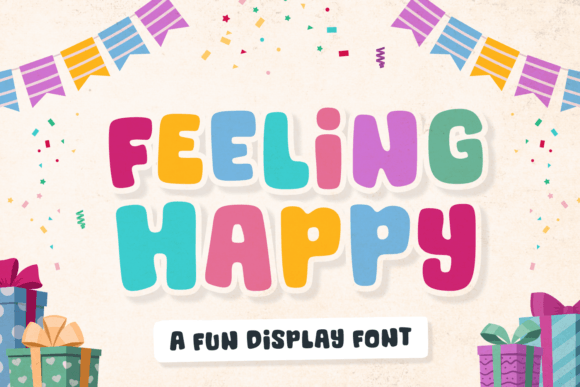
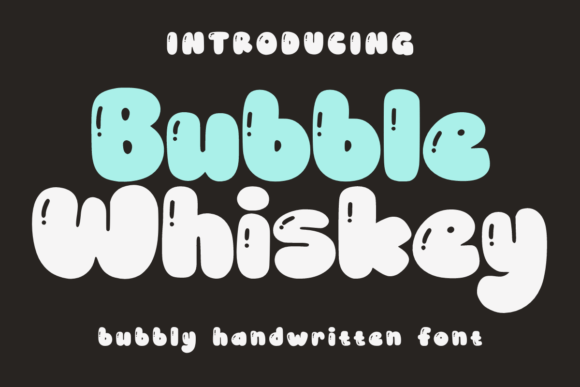
In the realm of display typography for children, the market is saturated with options ranging from bubble letters to jagged, energetic scripts. Cool Kids distinguishes itself through what can be described as "refined casualness." While many alternatives in this category lean heavily into cartoonish exaggeration—think extreme wobbles or overly thick strokes—Cool Kids adopts a more authentic, hand-drawn feel. It looks less like a caricature of a child's writing and more like the actual handwriting of a confident young learner.
When comparing Cool Kids to other styles, it is helpful to categorize alternatives:
- Highly Stylized Cartoon Fonts: These are great for comic books or loud branding but can be distracting in educational contexts. Cool Kids is generally less chaotic and easier on the eyes for longer exposure.
- Standard Sans-Serifs (e.g., rounded variants): These offer maximum legibility but often lack the warmth and personality needed to engage a child emotionally. Cool Kids bridges this gap by offering character without sacrificing too much clarity.
- Brush Script Fonts: While artistic, these are often too complex for young readers who are still mastering letter recognition. Cool Kids avoids complex ligatures, sticking to forms that are intuitive for children to decode.
Evaluating Strengths and Practical Tradeoffs
No typography choice is without its tradeoffs, and a professional evaluation requires looking at both the benefits and the limitations of Cool Kids.
The Strengths
The primary strength of Cool Kids is its versatility in "happy" environments. It performs exceptionally well on party invitations, classroom posters, and headers for educational websites. It brings an immediate sense of fun and safety to the design. Furthermore, because it is designed to look authentic, it helps build trust with parents and educators who are tired of overly commercialized or aggressive design trends. It signals that the content is approachable and genuine.
The Limitations
However, Cool Kids is strictly a display font. This is a critical decision factor. Using it for body text in long paragraphs or for detailed instructions on a worksheet would be a mistake. The very characteristics that make it charming—its slight irregularities and hand-drawn weight—can cause eye strain during extended reading. Therefore, it must be paired with a clean, highly legible sans-serif or serif font for the body copy. A common pairing strategy involves using Cool Kids for headlines to draw attention and a font like Open Sans or Roboto for the instructional text.
Best-Fit Scenarios: When to Choose Cool Kids
Determining if Cool Kids is the right choice depends heavily on the specific application and the target demographic within the broader "children" category.
Ideal Use Cases:
- School Projects and Scrapbooking: If the goal is to create a keepsake or a poster that feels handmade and personal, Cool Kids is an excellent choice. It adds a layer of charm that standard computer fonts lack.
- Activity Sheets: For titles on coloring pages or puzzle headers, it sets a playful mood immediately.
- Digital Interfaces for Kids: In app design or website headers for educational games, Cool Kids can help establish a friendly user interface without appearing too "babyish" for older children (ages 7-12).
Scenarios Requiring a Different Option:
If the project involves high-density information, such as a textbook layout or a complex set of instructions, the priority must shift from "personality" to "information architecture." In these cases, a geometric sans-serif might be more appropriate. Additionally, if the target audience is toddlers just learning to recognize letters, a font with more standardized shapes (less "handwritten" flair) might be safer to avoid confusing the learner with non-standard letterforms.
Decision Factors for Designers and Educators
When evaluating Cool Kids against the backdrop of your project's needs, consider the following practical factors:
- Readability vs. Vibe: Does the project need to scream "fun" or does it need to convey "clear information"? Cool Kids excels at the former. If the vibe is serious or academic, look elsewhere.
- Audience Age: Cool Kids resonates well with elementary-aged children. For teenagers, it might feel condescending; for toddlers, it might be slightly too complex stylistically. It hits a sweet spot for the K-6 demographic.
- Pairing Capability: Consider the other fonts in your toolkit. Cool Kids works best when it is the "loud" voice in the room, supported by a quiet, neutral partner font. If you cannot pair it effectively, its impact may be lost or overwhelming.
Conclusion: A Tool for Authentic Engagement
In summary, Cool Kids is more than just a cute typeface; it is a tool for establishing an emotional connection with a young audience. It offers a distinct middle ground between the chaos of cartoon fonts and the sterility of standard office typography. By understanding its strengths as a display font and acknowledging its limitations regarding long-form text, you can make an informed decision. If your goal is to create materials that feel authentic, friendly, and engaging without being overly juvenile, Cool Kids is a robust option worth serious consideration in your design workflow.