Bubble Whiskey: The Ultimate Guide to This Adorable Display Font
In the vast universe of typography, where serif fonts speak of tradition and sans-serifs whisper of modern efficiency, there exists a category of typefaces dedicated entirely to fun, personality, and visual impact. Among these, Bubble Whiskey stands out as a distinct and charming choice. It is not merely a collection of letters; it is a design tool that injects a sense of whimsy and approachability into any project. Whether you are a seasoned graphic designer, a small business owner looking to brand your merchandise, or a hobbyist creating gifts for friends, understanding the nuances of a display font like Bubble Whiskey can transform your creative output.
What Exactly is a Display Bubble Font?
Before diving into the specific utility of Bubble Whiskey, it is helpful to understand the genre it represents. Typography is generally categorized into text fonts (designed for readability in long paragraphs) and display fonts (designed to attract attention in headlines, logos, and posters). Bubble Whiskey falls firmly into the latter category, but with a specific aesthetic twist.
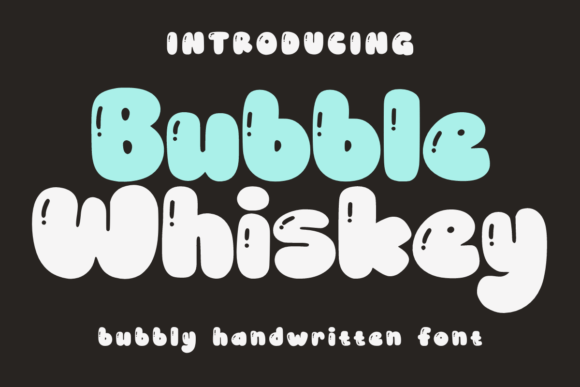
A "bubble" font is characterized by rounded, soft, and often inflated letterforms. Think of the lettering you might see on a comic book cover, a child’s birthday banner, or a retro diner sign. These fonts mimic the organic, imperfect shape of bubbles or balloons. They are rarely geometric or sharp; instead, they rely on curves to create a feeling of softness and friendliness. Bubble Whiskey takes this concept and refines it. It is designed to be "cute and adorable," but it maintains a structural integrity that makes it legible and versatile. It avoids the trap of becoming too childish, striking a balance that allows it to be used in professional merchandise without looking out of place.
The Unique Charm of Bubble Whiskey
So, what makes Bubble Whiskey different from the thousands of other rounded fonts available? The answer lies in its specific design philosophy, which focuses on the concept of a "cool accent."
A Balance of Cuteness and Cool
Many bubble fonts lean heavily into a nursery or kindergarten aesthetic. While that is perfect for certain applications, it limits the font's utility in broader markets. Bubble Whiskey, however, is designed with a "cool" factor. It suggests a retro vibe, perhaps reminiscent of vintage soda pop branding or 1970s typography, but updated for the digital age. This makes it an excellent choice for branding that needs to feel approachable yet trendy.
Visual Weight and Presence
Display fonts need to hold their ground on a page or a physical object. Because of its rounded, bold nature, Bubble Whiskey has significant visual weight. It commands attention without being aggressive. When you place it on a design, it becomes the focal point naturally. This is crucial for merchandise where the design needs to be readable from a distance, such as on a t-shirt worn in a crowd or a tumbler sitting on a desk.
Practical Applications: Where to Use Bubble Whiskey
The versatility of Bubble Whiskey is one of its strongest selling points. It is not limited to digital screens; it translates beautifully into physical products. Here is a breakdown of how this font fits into various creative and commercial spheres.
1. Apparel and T-Shirt Design
The fashion industry relies heavily on typography. A t-shirt with a witty slogan or a catchy phrase is a staple of casual wear. However, the choice of font determines the "vibe" of the shirt. A serif font might make a shirt look like a uniform; a grunge font might make it look edgy or aggressive.
Bubble Whiskey is perfect for apparel because it is soft and inviting. It works exceptionally well for:
- Retro Aesthetics: Pairing the font with muted colors (pastels or earth tones) creates a vintage look.
- Summer Collections: The "bubble" nature of the font feels light and airy, perfect for summer tees.
- Couple or Group Merchandise: Because it looks "cute," it is ideal for matching shirts or bachelorette party gear.
2. Drinkware: Tumblers and Mugs
Custom drinkware is a massive market, ranging from personalized gifts to corporate swag. When designing for a curved surface like a tumbler or a mug, font choice is critical. Sharp, angular fonts can look distorted when wrapped around a curve. Rounded fonts, however, mimic the shape of the vessel.
Bubble Whiskey complements the cylindrical shape of a tumbler perfectly. The letters feel like they belong on the surface. It is particularly popular for:
- Sublimation Printing: The bold nature of the font allows for clean lines that sublimate well onto coated tumblers.
- Etching or Vinyl: For those using Cricut or Silhouette machines, the smooth curves of Bubble Whiskey are easier to weed (remove excess vinyl) than highly detailed, scripty fonts.
3. Packaging and Branding
In a crowded marketplace, packaging must do two things: protect the product and attract the buyer. If your product is aimed at a younger demographic, or if your brand identity is built on being "fun," "fresh," or "artisanal," Bubble Whiskey is a strategic choice.
Imagine a line of homemade candles, bath bombs, or gourmet cookies. Using a stiff, corporate font sends the wrong message. Using Bubble Whiskey on the label immediately signals that the product is crafted with care and is meant to bring joy. It humanizes the brand, making it feel less like a corporation and more like a friendly creator.
4. Digital Content and Social Media
While this article focuses on physical applications, we cannot ignore the digital realm. Social media platforms like Instagram and TikTok are visual battlegrounds. Thumbnails, story highlights, and promotional posts need to grab attention in milliseconds.
Using Bubble Whiskey for headers or callouts in digital graphics ensures that the text is readable even on small mobile screens. Its high legibility at larger sizes makes it ideal for Instagram Stories where text overlays are common.
Designing with Bubble Whiskey: Tips and Best Practices
Having a great font is only half the battle; knowing how to use it effectively is the other half. Because Bubble Whiskey is a display font with a strong personality, it requires a thoughtful approach to design composition.
Pairing Fonts
A common mistake beginners make is using a decorative font for everything. If you write a long paragraph in Bubble Whiskey, it will become difficult to read and visually overwhelming. This is known as "visual fatigue."
The solution is font pairing. Use Bubble Whiskey for your headlines, titles, or key phrases (the "accent"). Then, pair it with a neutral, clean font for the body text.
- Good Pairing: Bubble Whiskey + a clean sans-serif like Montserrat or Open Sans. The neutrality of the sans-serif lets the bubble font shine without competition.
- Avoid: Pairing it with another highly stylized script font. This creates a "clashing" effect where the viewer doesn't know where to look.
Color Psychology
The "adorable" nature of the font interacts heavily with color.
- Pastels: Soft pinks, baby blues, and mint greens enhance the "cute" factor. This is perfect for baby shower invitations or bakery branding.
- Bold Contrasts: If you want to emphasize the "Whiskey" (cool) aspect of the font, use high-contrast colors. White text on a black background, or neon yellow on dark grey, gives the font a modern, streetwear edge.
Spacing and Layout
Because bubble fonts are visually "thick," they can sometimes feel crowded if the letters are too close together. When using Bubble Whiskey, consider adjusting the tracking (the space between letters). Giving the letters a little bit of breathing room allows the rounded shapes to be appreciated individually, enhancing the overall legibility and aesthetic appeal.
Addressing Common Misconceptions
There are a few assumptions about bubble fonts that are worth clarifying to help you use Bubble Whiskey more effectively.
"Bubble fonts are only for kids."
This is perhaps the most limiting misconception. While they are certainly popular in children’s design, the "bubble" aesthetic has deep roots in pop culture, graffiti art, and retro design. A font like Bubble Whiskey can be sophisticated. When used with a monochromatic color scheme or metallic foils (gold or silver), it can look luxurious and high-end. It is all about the context you build around the font.
"They are hard to read."
While some highly abstract decorative fonts sacrifice legibility for style, a well-designed bubble font prioritizes the structure of the letter. Bubble Whiskey is designed to be a display font, meaning it is intended for short bursts of text. As long as you aren't writing a novel with it, readability should not be an issue. In fact, its distinct shapes make it memorable, which is a key goal of branding.
The Role of Typography in Modern Business
To fully appreciate a tool like Bubble Whiskey, we must zoom out and look at the importance of typography in general. We live in a text-heavy world. From the apps on our phones to the signs on the highway, we are constantly interpreting letterforms.
For businesses, especially those in the Direct-to-Consumer (DTC) and Print-on-Demand (POD) spaces, typography is a silent salesperson. The font on a t-shirt doesn't just spell out words; it conveys an emotion. A customer buying a tumbler isn't just buying a cup; they are buying an identity.
By choosing Bubble Whiskey, a creator is making a specific statement: "This product is fun. This product is friendly. This product is here to make you smile." That emotional connection is often what drives a sale more than the product itself.
Conclusion: Embracing the Bubble
Bubble Whiskey is more than just a set of cute letters. It is a versatile, expressive, and highly functional design asset. It bridges the gap between playful whimsy and cool, modern design. Whether you are designing a line of merchandise for your online store, creating a logo for a local bakery, or simply making a birthday card for a friend, this font offers a reliable way to inject personality into your work.
In the end, design is about communication. Bubble Whiskey communicates joy, softness, and approachability. By understanding its strengths—its legibility, its pairing potential, and its physical applications—you can elevate your designs from simple text to memorable visual experiences. Don't be afraid to experiment with this adorable display font; you might just find it becomes the "cool accent" your projects have been missing.