Unlocking Creative Flexibility with the Frank Typeface
In the dynamic world of design, typography is often the silent workhorse that determines whether a message lands with impact or gets lost in the noise. For designers and content creators who have long relied on the friendly, approachable vibe of fonts like Frankie and Franklin, there is a new evolution worth exploring: Frank. This typeface is not merely a variation; it is a robust expansion of a beloved aesthetic family, offering a much bolder presence and a versatility that solves many common design hurdles.
Finding a font that balances personality with professionalism can be a significant challenge. Too often, fonts that are charming and friendly lack the weight needed for high-visibility headlines, while heavy, bold fonts can feel cold or overly industrial. Frank bridges this gap. As a kin to the Frankie and Franklin families, it retains the familiar, welcoming curves that make those fonts so popular. However, Frank distinguishes itself through a much bolder weight and a comprehensive set of alternate characters, making it the most versatile option in its family.
The Challenge of Hierarchy and Visual Weight
One of the most common struggles in graphic and web design is establishing a clear visual hierarchy. When designing a landing page, a poster, or a social media graphic, you need a font that commands attention without screaming at the viewer. Standard weights often fall flat when used for headers or "hero" text, requiring designers to artificially bold the text, which can distort letterforms and ruin the intended spacing.
This is where Frank shines. By offering a naturally heavier stroke weight, Frank provides the visual gravity required for modern design trends. It allows creators to establish dominance in their layout immediately. If you have been using Frankie or Franklin for body copy but struggling to find a matching header font that doesn't look disjointed, Frank is the solution. It creates a seamless typographic hierarchy where the header feels like a natural, stronger sibling to the body text.
Expanding Creativity with Alternate Characters
The true power of a typeface lies in its ability to adapt to different creative moods. The new Frank font introduces a significant upgrade in versatility through its extensive library of alternate capital and lowercase characters. This feature is invaluable for designers who want to avoid the "cookie-cutter" look that comes with using standard, off-the-shelf fonts.
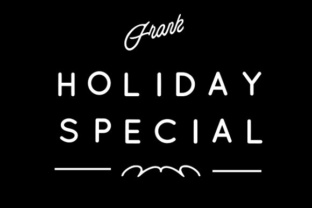
Consider a scenario where you are branding a boutique coffee shop or a creative agency. You want the logo to feel unique, but you are restricted to a specific font family. With Frank, you can swap out standard letters for stylistic alternates to create a custom wordmark. For example, the tail of a lowercase 'y' or the crossbar of a capital 'A' might have different stylistic treatments within the font file. This allows for subtle customizations that make the text feel bespoke and intentional, elevating the overall quality of the design.
Practical Applications for Modern Media
The versatility of Frank makes it suitable for a wide array of practical applications. Because it is a bolder font, it performs exceptionally well in environments where legibility is paramount and screen real estate is limited.
- Social Media Graphics: On platforms like Instagram or TikTok, users scroll quickly. A bold font like Frank stops the scroll. It is thick enough to remain readable even over busy background images or video overlays.
- Web Design Headers: Modern web design favors large, bold typography. Frank fits perfectly into this trend, serving as an engaging header that pairs well with lighter sans-serif body fonts.
- Merchandise and Print: When printing on physical items like tote bags, t-shirts, or mugs, thin lines can sometimes disappear or break up. The robust weight of Frank ensures that your message remains crisp and durable on fabric and physical goods.
- Mobile Interfaces: As mobile screens become the primary way users consume content, UI designers need fonts that are legible at small sizes but still have character. The open letterforms and bold nature of Frank make it an excellent candidate for app buttons and navigation bars.
Tailoring the Font to Your Needs
Different users will approach Frank with different goals, and the font is flexible enough to accommodate them. A brand strategist might use the alternate characters to soften the tone of a corporate brand, making it feel more approachable and human. They might select specific alternates that round out the corners of the letters to subconsciously suggest friendliness and safety.
Conversely, an editorial designer working on a magazine layout might use the standard character set to maintain a clean, grid-based structure. They would utilize the bold weight of Frank to create pull quotes that pop off the page, drawing the reader's eye to key insights. The versatility of the font means it doesn't force a single style upon the user; rather, it provides the tools to support the specific narrative you are trying to build.
Implementation and Best Practices
To get the most out of Frank, it is helpful to understand a few best practices regarding bold typography. While Frank is designed to be legible, pairing it correctly is essential. Because it has a strong visual presence, it pairs best with lighter, neutral fonts for body copy. This contrast creates a pleasing rhythm for the eye, preventing the design from feeling too heavy or cluttered.
When utilizing the alternate characters, restraint is key. Swapping every letter for a stylistic variant can make the text difficult to read. Instead, use the alternates for emphasis or logo work. For instance, replacing just the first letter of a headline with a stylized capital from Frank can add a touch of elegance without sacrificing readability.
Furthermore, consider the spacing. Bold fonts generally require a bit more tracking (letter spacing) than their lighter counterparts to breathe properly. When setting headlines in Frank, experiment with slightly opening up the tracking. This allows the distinct shapes of the alternate characters to be fully appreciated and prevents the text from looking like a solid block of ink.
The Solution for a Cohesive Brand Identity
Many brands struggle with inconsistency. They use one font for their website, another for their emails, and a third for their print materials, simply because they cannot find one family that does it all. Frank addresses this by being the "workhorse" of the Frankie and Franklin family. Its boldness ensures it works in high-contrast environments, while its alternates provide the flair needed for branding.
By adopting Frank, you are not just choosing a font; you are adopting a system of typographic tools. Whether you are a freelance designer looking to streamline your toolkit, a startup building a brand from scratch, or a content creator needing to make a statement, Frank offers the robustness and flexibility required to meet those goals. It proves that you do not need to sacrifice personality for weight, or versatility for consistency.
Conclusion
In the search for the perfect typeface, the balance between boldness and subtlety is often hard to strike. Frank represents a significant step forward for designers who love the aesthetic of the Frankie and Franklin families but need more punch. With its heavier weight and rich set of alternate characters, Frank stands out as the most versatile member of its family. It empowers users to create designs that are not only readable but also deeply expressive, ensuring that the typography works as hard as the content it presents.