Hello Farmer: Capturing the Spirit of Rural Life in Modern Design
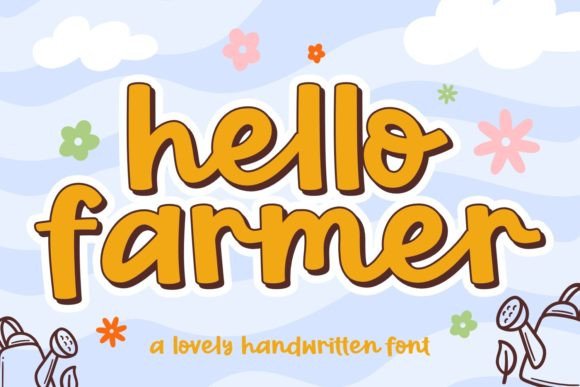
In the saturated landscape of digital communication, where sterile sans-serifs and rigid corporate typefaces dominate the screen, there is a growing yearning for authenticity. We see it in the resurgence of analog photography, the popularity of hand-thrown pottery, and the distinct shift toward "imperfect" aesthetics in branding. At the intersection of this movement lies the power of typography, specifically the handwritten font. Among the many options available to creators today, Hello Farmer stands out as a distinct voice—a typeface that does more than just display text; it conveys a feeling. It is a delightful handwritten font that radiates warmth and playfulness, designed to bridge the gap between the digital interface and the human touch.
The Aesthetics of Imperfection: Why Handwritten Fonts Matter Now
For decades, the design world was obsessed with the "Swiss Style"—grids, minimalism, and geometric precision. While these principles remain foundational, the pendulum has swung back toward organic forms. This shift is not merely aesthetic; it is psychological. As our lives become increasingly mediated by screens and algorithms, we crave the tactile and the personal. We want to feel that a real human is behind the message, whether it is a logo, a wedding invitation, or an Instagram post.
This is where the relevance of fonts like Hello Farmer becomes undeniable. The typeface features whimsical strokes that dance across the page, breaking the monotony of standardized text. Unlike rigid fonts, which can feel cold or authoritative, the lively curves and rounded edges of this font invite a sense of joy and friendliness. It taps into the current trend of "human-centered design," where the goal is to make technology and marketing feel approachable rather than distant. For the modern consumer, a handwritten script signals honesty, craft, and a lack of corporate pretension.
Evoking the Carefree Spirit: The Psychology of Whimsy
The name itself—Hello Farmer—conjures specific imagery. It suggests open fields, fresh produce, roadside stands, and unhurried conversations. It evokes the carefree spirit of rural life, a concept that holds immense appeal for the urban professional or the busy entrepreneur. In a high-stress work environment, typography that suggests a slower pace can be a powerful psychological tool.
However, the utility of this font extends far beyond agricultural branding or farmhouse decor. The "farmhouse" aesthetic has evolved from a literal style into a broader philosophy of warmth and groundedness. When a startup uses a font like Hello Farmer in their pitch deck or social media graphics, they are signaling that they are accessible and community-focused. They are saying, "We are here to help, not to lecture." The rounded edges of the letterforms remove the sharp, aggressive angles often associated with high-pressure sales tactics, replacing them with a visual language of comfort and safety.
Practical Applications for Creators and Professionals
For graphic designers, marketers, and business owners, choosing a typeface is a strategic decision. Hello Farmer is particularly versatile in scenarios where the goal is to lower barriers and build rapport. Here are several practical contexts where this font excels:
- Brand Identity for Artisans: Small businesses dealing in organic goods, handmade crafts, or boutique coffee roasting require a visual identity that reflects their values. Hello Farmer pairs beautifully with earthy color palettes—olive greens, terracottas, and creams—to create a cohesive brand story that feels authentic.
- Social Media Engagement: Algorithms on platforms like Instagram and TikTok favor content that generates engagement. Overly polished, corporate graphics often get scrolled past. Text overlays using a handwritten font stop the thumb. They feel native to the platform, mimicking the doodles and notes we leave for ourselves, thereby increasing the likelihood of a click or a save.
- Event Stationery: From baby showers to rustic weddings, the demand for invitations that feel personal rather than mass-produced is high. The font’s playful nature makes it ideal for headers and accents, providing a joyful focal point without overwhelming the reader.
- Educational Materials: Teachers and educators often struggle to make learning materials engaging. Using a friendly font for headings on worksheets or classroom newsletters can make the content feel less like a chore and more like a collaborative activity, helping to put students at ease.
Integrating Hello Farmer into Modern Workflows
Adopting a new typeface into a professional workflow requires more than just installation; it requires an understanding of hierarchy and balance. Because Hello Farmer is a display font with high personality, it should rarely be used for long-form body text. Reading long paragraphs of continuous handwriting can strain the eyes and reduce comprehension.
Instead, the most effective use of this font is in contrast. Pair it with a clean, neutral sans-serif for body copy. For example, a website header might scream "Welcome to the Farm" in bold Hello Farmer strokes, while the paragraph below explains the services in a simple, legible font like Lato or Open Sans. This contrast creates a visual rhythm that is both professional and inviting.
Furthermore, consider the medium. On digital screens, handwritten fonts render differently than on print. Ensure that the font size is large enough to preserve the integrity of the "whimsical strokes." If the text is too small, the details that give the font its charm will be lost, resulting in a muddy appearance. For print, the paper stock matters. Hello Farmer looks best on textured papers—linens, felts, or recycled stocks—that complement its organic roots. Printing this font on high-gloss, slick paper can sometimes feel dissonant, like wearing boots to a ballroom.
The Role of Typography in User Experience (UX)
In the realm of User Experience design, typography is often treated as a functional element—readability is king. However, UX is also about emotion. The "voice" of the interface contributes significantly to how a user perceives a brand's trustworthiness. A fintech app, for example, might use Hello Farmer not for the transaction history, but for the "Thank You" screen after a donation is made, or for the congratulatory message when a savings goal is hit.
This selective use of a playful font humanizes the technology. It acknowledges the user's achievement with a visual high-five. As businesses move toward "conversational UI" and chatbots, the visual design needs to match that conversational tone. Hello Farmer serves as a visual cue that the brand is approachable and ready to chat, rather than a faceless entity processing data.
Adapting to Changing Habits and Market Preferences
The market is currently seeing a backlash against "corporate Memphis"—the generic style of flat, geometric illustrations and bland typography that dominated tech companies for years. Consumers are tired of sameness. They want brands to have a distinct personality. By incorporating a font like Hello Farmer, businesses can differentiate themselves instantly.
Moreover, the rise of the "Creator Economy" has democratized design. Tools like Canva and Adobe Express allow non-designers to create professional-looking assets. However, the default templates in these tools are often overused. Hello Farmer offers a way for content creators to step outside the default settings and establish a unique visual voice without needing a degree in graphic design. It is accessible, easy to use, and immediately recognizable.
It is also worth noting the evolution of the "farm-to-table" movement, which has expanded beyond food into general lifestyle branding. The aesthetic values of this movement—transparency, simplicity, and nature—are perfectly encapsulated by the font's design. Whether you are a travel blogger documenting rural escapes or a tech entrepreneur pitching a sustainable app, this typography aligns your visual message with the values of sustainability and care.
Conclusion: A Tool for Connection
Ultimately, typography is about connection. It is the bridge between the idea in the creator's mind and the understanding in the reader's mind. Hello Farmer is more than just a collection of vectors and paths; it is a vessel for warmth. Its whimsical strokes dance across the page, not just to be seen, but to be felt.
In a world that often feels fragmented and fast-paced, the ability to evoke the carefree spirit of rural life through a simple font is a powerful asset. It reminds us that even in our most professional endeavors, there is room for playfulness. For the designer, the marketer, or the hobbyist, choosing Hello Farmer